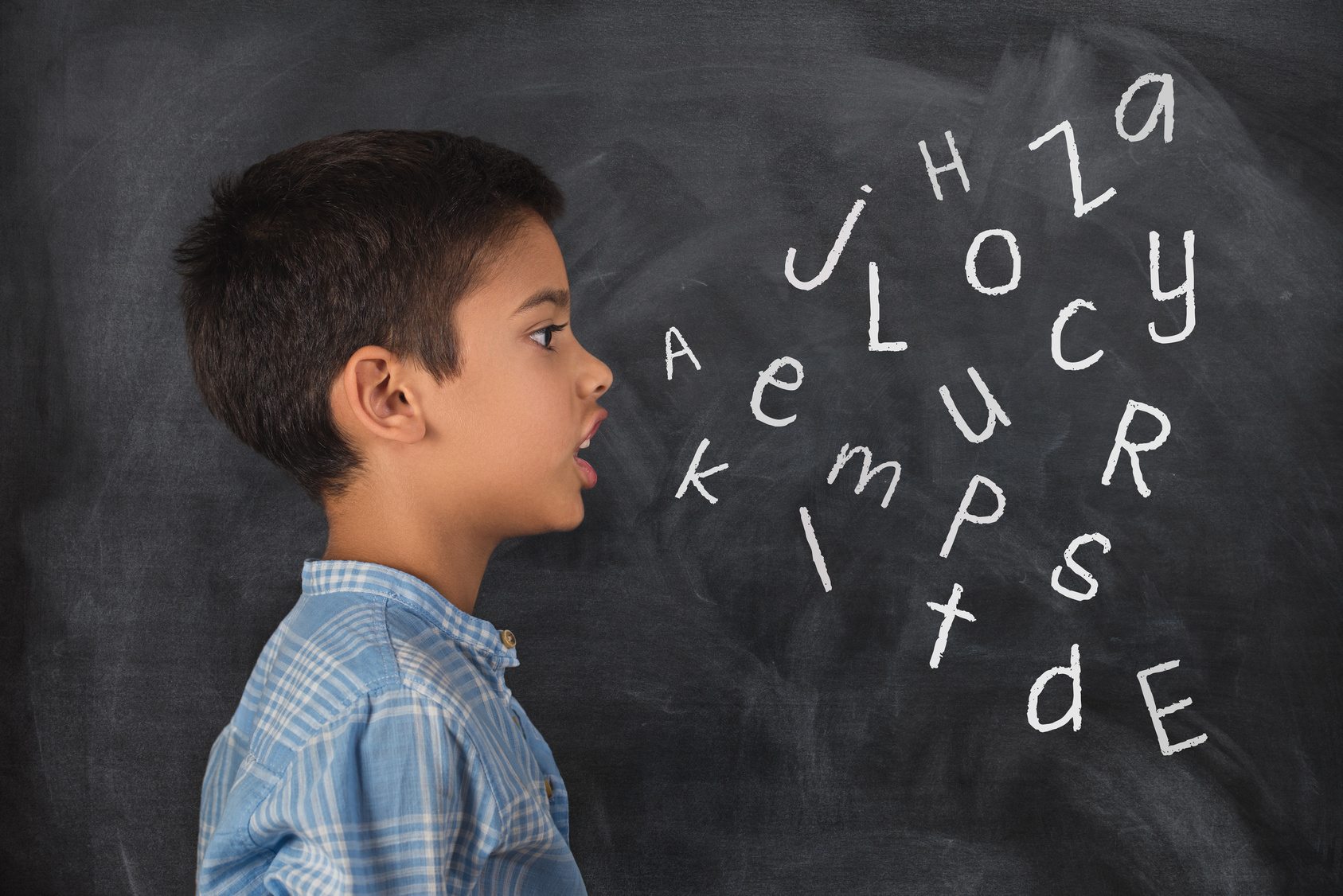
A child who chats happily at home but falls silent and still at nursery is not being difficult. They may have selective mutism, an anxiety disorder in which the expectation to talk to certain people triggers a freeze response, much like a bad case of stage fright. This selective mutism training for early years practitioners explains what the condition is, how to recognise it, and how to support a child with two practical tools: the sliding-in technique and the talking map.
Your role is to notice the signs, take the pressure to speak away, and pass the concern on so the child and family get the right help.
Why selective mutism awareness matters in early years
The signs normally show between the ages of two and four, often when a child starts nursery and meets people outside their comfort zone for the first time. The signs are easy to misread. A child may seem rude, sulky, stubborn, clingy or simply shy, when the real warning sign is the contrast between how freely they talk with some people and how frozen they become with others. Selective mutism usually starts in childhood and, if left untreated, can continue into adulthood.
Only a child mental health professional can formally diagnose selective mutism. Where there is a concern, a GP can advise and refer. The course explains what a diagnosis looks for, and the lesson resources point to the SEND code of practice guidance on putting support in place with parents and your SENCO while a child is waiting for, or does not yet need, a formal diagnosis.
What’s in the course
- What selective mutism isAn anxiety disorder, the freeze response, and why the child cannot talk rather than will not.
- Who it affects and whenWhy it is more common in girls and in children learning a second language, and when the signs first appear.
- Recognising the signsThe contrast between settings, the sudden stillness and frozen expression, and how the signs are often misread.
- How it is diagnosedWho can diagnose, the role of the GP, and the observations a diagnosis is based on.
- Do’s and don’tsWhat every adult should avoid saying and doing while the child is with them.
- The sliding-in techniqueA gradual, step-by-step way to help a child speak to more people, with worked examples.
- The talking mapMapping where and with whom the child speaks, and using it to choose the next step.
- Assessment10 questions. Pass mark 80%. Resit as many times as you need.
What you’ll learn
- Why a child with selective mutism is unable to speak in certain situations, rather than refusing to
- The main warning sign: a sudden stillness and frozen facial expression when the child is expected to engage with someone new
- How the signs can be mistaken for rudeness, sulking, stubbornness or shyness, and why that judgement is worth looking at again
- What a formal diagnosis looks for, including that the child’s inability to speak has lasted for at least six months
- What not to do: ask the child to speak, draw attention to their silence, tell them off, ask direct questions, press for eye contact, or act surprised if they speak to you
- How sliding-in works, starting with single-word turn-taking such as naming pictures or counting, then adding a staff member, a peer and finally a small group
- Why three ten-minute sessions a week work better than one longer session, and why the child is told about every step before it happens
- How to draw up a talking map with the family, showing where and with whom the child already speaks
Who this course is for
- Key persons working with children who are settling in or not speaking in the setting
- Practitioners in rooms for two to four-year-olds, when the signs usually appear
- SENCOs coordinating support and planning next steps with families
- Managers who want every adult in the setting to respond in the same way
How it works
- OnlineStudy on any device and pick up where you left off.
- Interactive moduleShort slides and videos you work through at your own pace.
- 10-question assessmentPass mark 80%. Resit as many times as you need.
- CertificateIssued when you pass. NFAQ accredited.
Training your team
A child with selective mutism needs every adult in the room to take the same low-pressure approach, including cover staff and visitors. The lesson includes a room card of what to say instead, with a short brief for cover staff, and a small-steps speaking plan template for the key person. Choose the number of learners at checkout, with group rates from 3 learners, or get it as part of the Training Portal for £5 per learner per month. Related courses: Identifying and Supporting Speech, Language and Communication Needs and The Graduated Approach in Practice.
Frequently asked questions
Is selective mutism the same as being shy?
No. It is an anxiety disorder. The child speaks openly and freely with people inside their comfort zone, usually at home, but freezes and cannot speak when expected to engage with someone new. That contrast is the key sign.
Can nursery staff diagnose selective mutism?
No. Only a child mental health professional can formally diagnose it. If you have a concern, share it with your SENCO and the family, and a GP can advise and refer if necessary.
What is the sliding-in technique?
A gradual, step-by-step approach. The child starts by speaking to a trusted adult in a familiar, safe space, then new people are brought in one at a time while the child keeps speaking, until they can join a small group activity.
How often should sliding-in sessions happen?
The course recommends three ten-minute sessions a week rather than one longer session. The starting point and the pace will vary from child to child.
What happens if I don’t pass the assessment?
You can resit it as many times as you need until you pass. Your certificate is issued as soon as you reach the 80% pass mark.
What should I do if the child speaks to me?
Do not act surprised or launch into praise. Like the other do’s and don’ts in the course, this is about reducing the pressure on the child to speak.