Stand in any preschool room at tidy-up time and listen. Somewhere in the noise there’s a child who isn’t part of it. Not naughty, not shy exactly, just quietly on the edge of the talk. He follows what others do rather than what adults say. He points more than he asks. At story time his eyes wander, not because the book is dull but because the words are arriving too fast to hold on to.
Speech, language and communication needs are the most common developmental concern in early years settings, and they hide in plain sight precisely because quiet children are easy to have in the room. The loud child gets noticed by Tuesday. The child who has stopped trying to communicate can drift for a year.
Know what typical looks like, age band by age band
You can’t spot “off track” unless you’re solid on what “on track” looks like, from the babbling and shared attention of the first year through to the storytelling four-year-old. It’s knowledge that fades if it isn’t refreshed, and it shifts subtly across age bands: the two-year-old joining two words together, the three-year-old being understood by strangers most of the time, the four-year-old following instructions with several parts.
Timing matters here more than almost anywhere else in early years practice. The earlier communication needs are spotted, the more difference support makes. A term of drift at age two is not neutral; it’s missed ground that gets harder to make up. That’s the case for every practitioner in the building being able to recognise the signs, not just the SENCO.
The support that happens in ordinary moments
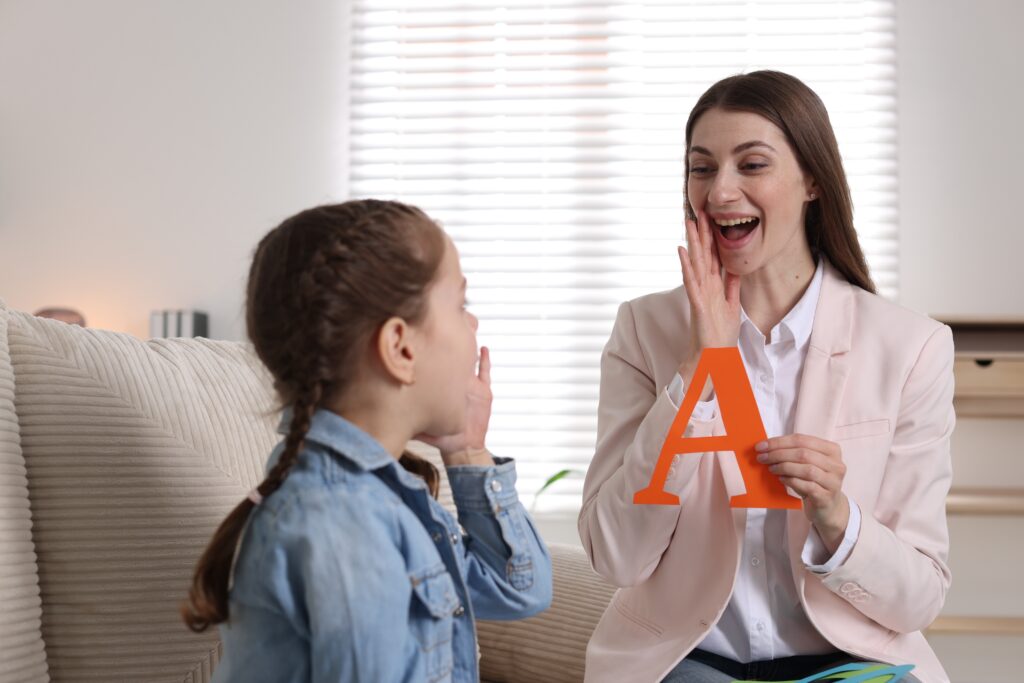
Here’s the encouraging part: the most powerful language support doesn’t happen in intervention sessions. It happens at the snack table and the water tray, in how adults talk. Commenting on what a child is doing rather than firing questions at them. Modelling the word they reached for and missed. Expanding what they offer, so “dog run” comes back as “yes, the dog is running fast”. Leaving pauses long enough for a child who needs ten seconds to find a word to actually use it.
None of this needs equipment or a timetable slot. It needs adults who know the techniques and use them all day, and rooms set up so conversation can happen: calm enough to hear, organised so children need to communicate rather than have everything anticipated. Our Identifying and Supporting Speech, Language and Communication Needs course covers both halves, the spotting and the supporting, along with how to work well with speech and language therapy and make referrals with confidence instead of crossed fingers.
The look-alikes that catch people out
One more skill separates confident practice from guesswork: telling SLCN apart from the things it resembles. A child learning English as an additional language may be quiet in your setting and chatty in Punjabi at home; that’s not a language disorder. A child with selective mutism can speak perfectly well but can’t speak here. The support for each is different, and mislabelling helps no one. The honest position is sometimes “we’re not sure yet”, and good training tells you exactly what to do from there: gather information from home, observe across contexts, and ask the professionals when the picture stays unclear.
Managers can make all of this a room-wide habit rather than individual virtue. Build the strategies into peer observations, name them in supervision, and notice aloud when someone uses them well. Language-rich rooms don’t happen by accident, and the children who most need them feel the difference within weeks.
Build a team that catches communication needs early
The course covers typical development, the signs it’s off track, communication-friendly rooms, everyday adult strategies and confident SALT referrals, with an NFAQ-accredited certificate.
Go back to that child at tidy-up time. In a room full of trained adults, he gets noticed this week, supported from Monday, and referred if the gap doesn’t close. That’s the whole difference, and it starts with knowing what you’re listening for.