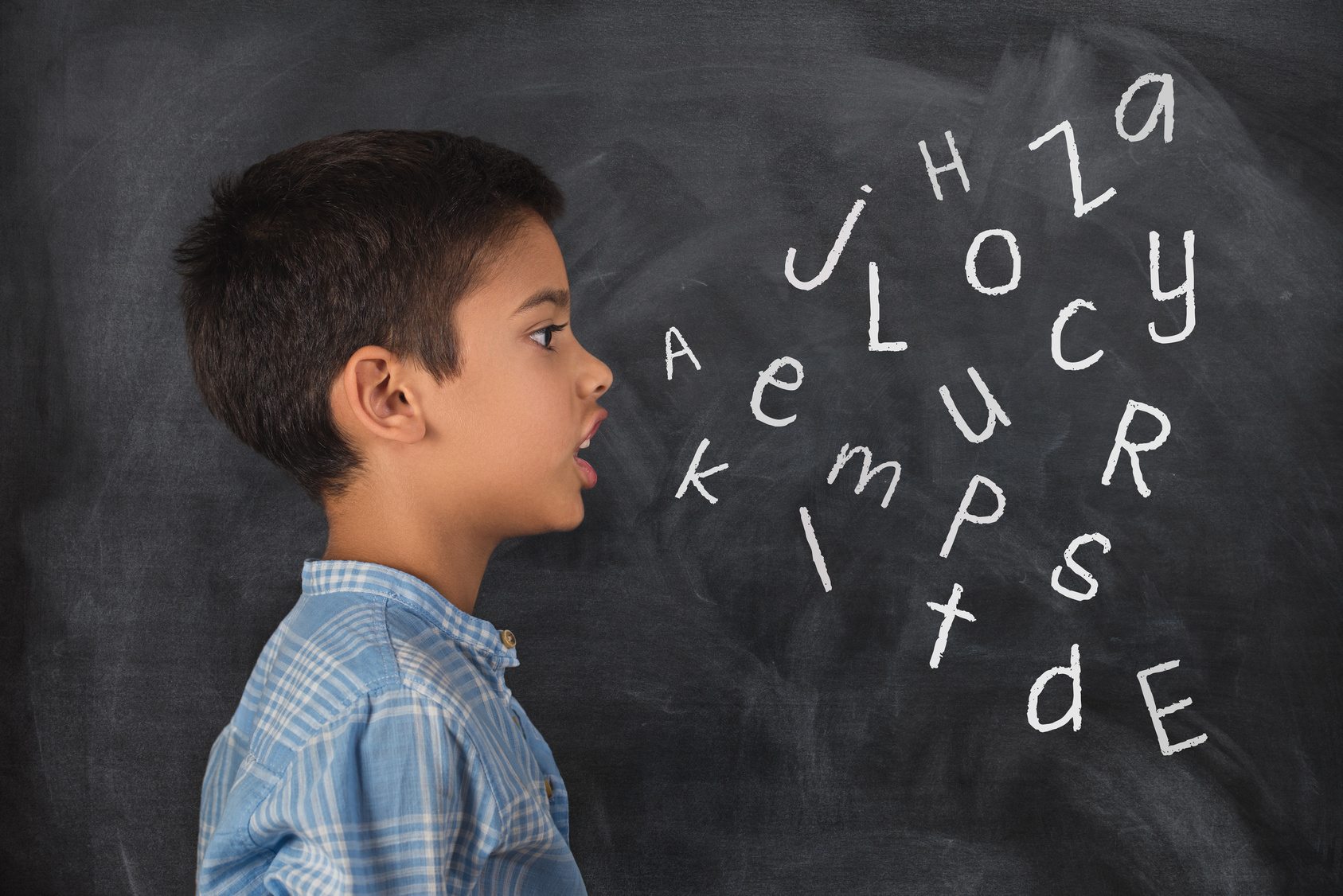
A two-year-old who snatches a toy is not being naughty. Their brain cannot yet do what we are asking of it. This behaviour management course for early years practitioners starts from that point: all behaviour is communication, and your job is to work out what it is saying. From there it gives your team calm, practical strategies to prevent difficult moments, de-escalate the ones that happen anyway, work with parents and recognise when behaviour is a sign of something more.
Why positive behaviour management matters
The parts of the brain that control impulses and strong emotions are among the last to mature. Young children learn to regulate by being regulated, through hundreds of moments with calm, attuned adults. When adults label behaviour as defiance, they make the child the problem. When they read it as development or a message, they become the helper. That shift changes how the whole room feels.
The EYFS requires providers to support personal, social and emotional development, one of the three prime areas, and to manage behaviour in ways that suit each child’s stage of development and needs. Corporal punishment is prohibited absolutely, and providers must not use or threaten any punishment that could harm a child’s wellbeing. The EYFS also requires a behaviour policy that all staff understand and apply.
What’s in the course
- Understanding behaviourDevelopment, communication and unmet needs, the detective questions and the HALT check.
- Self-regulation and co-regulationLending your calm, regulate, relate, reason, emotion coaching and “time in”.
- Realistic expectations and consistent boundariesWhat children can manage at each age, positive phrasing and a team that holds the same lines.
- Positive strategiesPrevention through attention, environment and routine, a graduated response, de-escalation and repair.
- Working in partnership with parentsBuilding trust early, having the difficult conversation well and supporting families under strain.
- When behaviour signals something moreSpotting possible SEND or safeguarding concerns, what to do next and recording behaviour professionally.
- Assessment10 questions. Pass mark 80%. Resit as many times as you need.
What you’ll learn
- How to run the HALT check (hungry, angry or anxious, lonely, tired) before reaching for anything else
- How to co-regulate: get low, slow your voice, name the feeling, offer comfort, then wait
- Why the order regulate, relate, reason matters, and why “time in” works better than time out or the naughty step
- What to realistically expect from under-twos, two-, three- and four-year-olds, including supported turn-taking before sharing
- How to phrase expectations positively, such as “walking feet, please” in place of “don’t run”
- A graduated response: proximity, redirection, distraction, limited choices, then a calm reminder
- How to raise a behaviour concern with parents privately, factually and without labels
- When behaviour may point to SEND or a safeguarding concern, and how to write factual, dated ABC records
Who this course is for
- Practitioners in every room, from the baby room to preschool
- Key persons who talk to parents about their child’s behaviour
- Room leaders and managers who write or review the behaviour policy
- Apprentices, students and bank staff who need to hold the same boundaries as the team
How it works
- OnlineStudy on any device and pick up where you left off.
- 6 short lessonsAbout 45 minutes in total.
- 10-question assessmentPass mark 80%. Resit as many times as you need.
- CertificateIssued when you pass. NFAQ accredited.
Training your team
A boundary that moves depending on which adult is on duty teaches children to keep testing it. Every adult, including lunch cover and bank staff, needs to hold the same lines in the same way, so this course works best taken by the whole team. Choose the number of learners at checkout, with group rates from 3 learners, or get it as part of the Training Portal for £5 per learner per month. It pairs well with Emotion Coaching and Supporting Self-Regulation and The Graduated Approach in Practice.
Frequently asked questions
What does the EYFS say about behaviour management?
Providers must manage behaviour in ways that suit each child’s stage of development and needs, and have a behaviour policy that all staff understand and apply. Corporal punishment is prohibited, and no punishment that could harm a child’s wellbeing may be used or threatened.
Does the course recommend time out?
No. Time out, naughty steps and withdrawing affection teach children that big feelings make adults go away. The course teaches “time in”: staying close and calm until the child settles, then talking about what happened.
What if a child is at risk of hurting themselves or others?
Your first goal is keeping everyone safe. Physical intervention is a last resort, used only to prevent injury or serious damage, by trained staff, and it must always be recorded and shared with parents the same day.
How do I know if behaviour is a sign of SEND?
Look for behaviour that is persistent, shows up across different situations and does not respond to good strategies. None of these signs is a diagnosis. They are prompts to observe systematically, talk with parents and involve your SENCO.
What happens if I don’t pass the assessment?
You can resit it as many times as you need until you pass. Your certificate is issued as soon as you reach the 80% pass mark.
Will this help at Ofsted?
Ofsted does not approve training providers, so the certificate is evidence that training was completed. The course helps your team apply your behaviour policy consistently and explain the approach you take.