
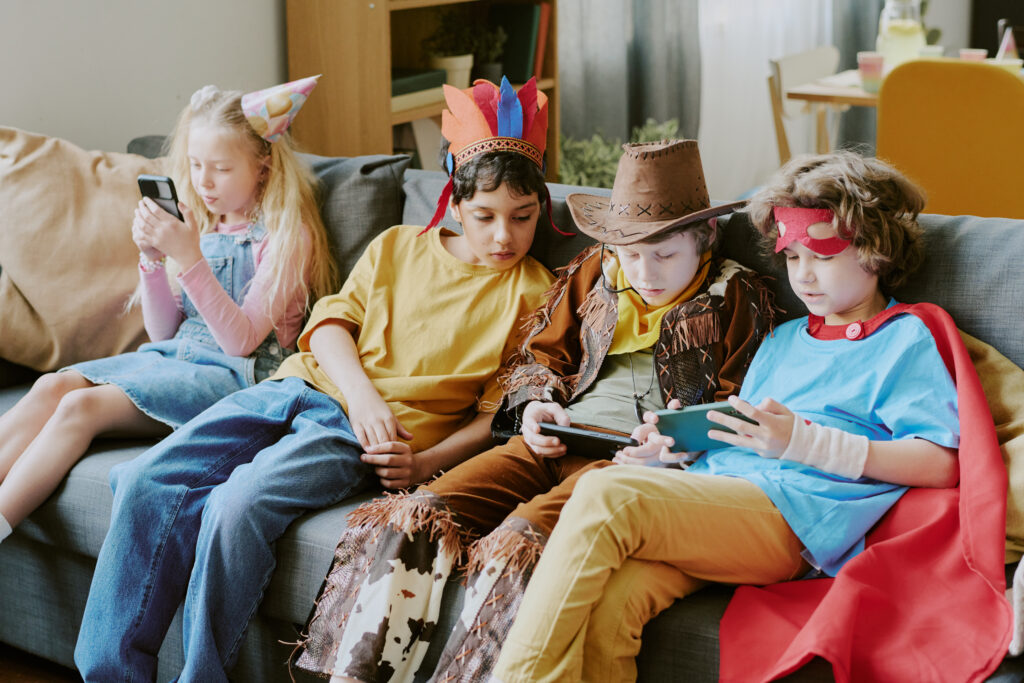
The costumes are back in the dressing-up box, there’s glitter in places glitter shouldn’t be, and somewhere in your setting a child is still refusing to take off the Gruffalo ears. World Book Day has been and gone for another year, and it was, as always, brilliant.
Now comes the quieter question: what about today? And the three hundred-odd days until the next one? Because a child’s relationship with stories isn’t built by one dressing-up day in March. It’s built at story time on a wet Thursday afternoon in November, by a practitioner who can hold a room with nothing but a picture book and a bit of nerve.
Storytelling is a craft, and crafts can be learned
Watch two practitioners read the same book to the same group. One gets fidgeting and a queue for the toilet. The other gets absolute stillness, then “again! again!” The difference isn’t magic and it isn’t personality. It’s technique: voice modulation, pacing, knowing when to whisper and when to pause, giving each character a life of their own, using your face and the room.
These skills are learnable, which is the best news in this post. Plenty of brilliant practitioners privately dread story time because nobody ever showed them how to do it well. Our Creative Storytelling course was built for exactly that person, working through how to develop your own storytelling voice across six chapters, from character work to building a reading culture that lasts all year. The benefits of getting this right run deep: reading in the early years pays off cognitively, emotionally and socially, and every story you share is a chance to collect some of that.
Take a hard look at your book corner
Here’s a small exercise for this week, while the World Book Day spirit is still in the building. Do a story audit. Pull every book off the shelf and look at the collection with fresh eyes. How many books show families like the ones in your setting? Children with disabilities? Homes, foods and festivals beyond the usual handful? And how many are tired, torn or so far past their best that they’re quietly telling children books don’t matter?
Children need to find themselves in the pages, and to meet lives different from their own. A book corner that reflects the diversity of the world your children actually live in does real work for inclusion and empathy, every single day, without anyone planning an activity. Most settings that run an audit are surprised by what they find, in both directions.
You don’t need a big budget to act on what the audit shows, either. Charity shops, the local library and a well-worded plea to parents will refresh a collection faster than you’d think, and children treat new-to-them books exactly like new books. What matters is that someone owns the job and the shelves keep moving.
The reading day is longer than your session
One more thread worth pulling: the children go home. What happens to stories there varies enormously, and not because parents don’t care. Plenty feel awkward reading aloud, unsure what books suit what age, or convinced they’re doing it wrong. A parent at the door at pick-up, being handed a book bag with a two-minute chat about how their child loved doing the wolf voice, is being quietly shown how to do it. That partnership, setting and home pulling in the same direction, is where a lifelong reading habit actually comes from.
Make every story time as good as World Book Day
Six chapters covering storytelling technique, diverse book collections, story audits and parent partnership, fully online and self-paced, from an NFAQ-accredited provider.
So keep the ears on, if the Gruffalo insists. The costume was never the point anyway. The point is what happens this afternoon, when someone opens a book, drops their voice to a whisper, and the whole carpet leans in.