
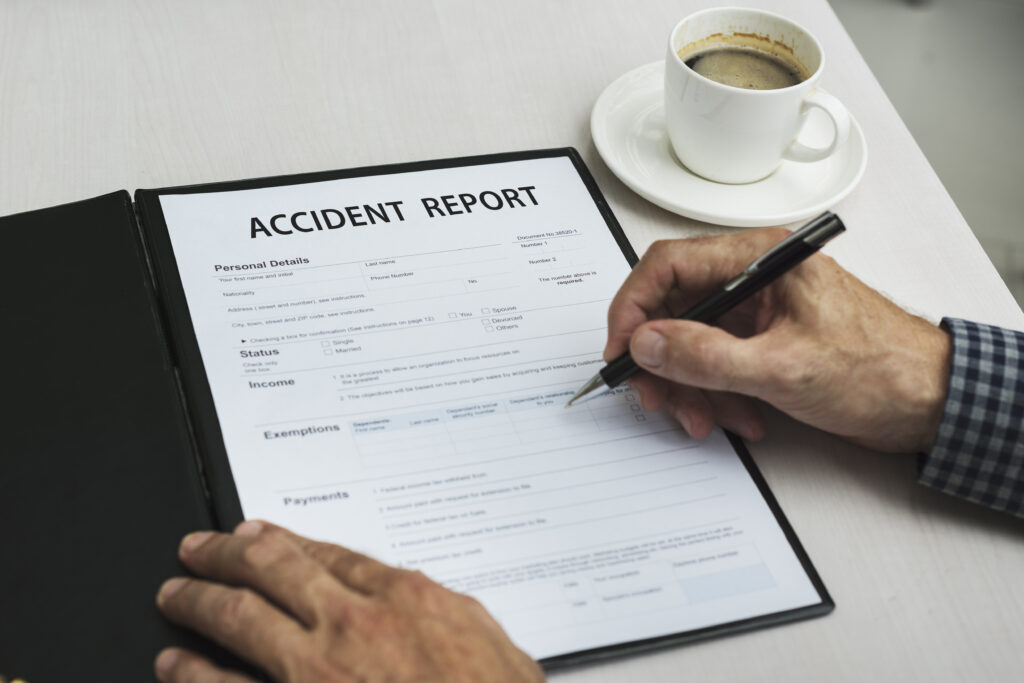
Every setting has the accident book. Bumped heads at the climbing frame, a nipped finger in the toy kitchen, the odd graze from an over-ambitious scooter lap: logged, signed by a parent at pickup, filed away. For the overwhelming majority of incidents, that’s the end of the story, and rightly so. A small number, though, must travel further, to the Health and Safety Executive, and the rules deciding which ones are called RIDDOR.
RIDDOR, the Reporting of Injuries, Diseases and Dangerous Occurrences Regulations 2013, places legal duties on employers, the self-employed and people in control of work premises. In a nursery that means somebody, usually the manager or owner, is the “Responsible Person”, whether or not they’ve ever heard the term. The regulations don’t wait for you to feel ready for them.
Which incidents cross the line
Broadly, three categories are notifiable: certain serious workplace accidents, certain occupational diseases, and specified dangerous occurrences, which are near misses serious enough that the HSE wants to know about them even though nobody was hurt. That last category is the one that surprises people. The scare that came to nothing and the ceiling that came down in an empty room over the weekend may still need reporting, precisely because next time the room might not be empty.
It’s also easy to forget that RIDDOR isn’t only about the children. A member of staff injured lifting equipment, a practitioner who develops a condition linked to her work: incidents involving your team sit under the same regulations, which is one reason the duty lands on the employer rather than on any one room.
The judgement call, deciding whether a given incident is notifiable, is exactly what training is for. The aftermath of a serious accident, with a shaken team and a worried parent on the phone, is the worst possible moment to be learning the rules from scratch.
Someone has to own the duty
October is a sensible month to check this. Summer staff changes have settled and the new year’s routines are bedding in, so it’s worth asking a blunt question at the next leadership meeting: if something serious happened tomorrow, who would make the report, and would they know how? The answer needs a name attached, not a shrug. Reports go to the HSE through a defined process, deadlines apply, and record-keeping duties sit alongside the reporting itself, because the log of what happened and what you did about it forms part of the legal picture.
Why it’s worth taking seriously
Failing to report a notifiable incident carries real consequences for a provider, and getting it wrong in front of Ofsted or the HSE brings a reputational cost all of its own. The better reason sits behind the regulations, though. Reported incidents get looked at, patterns get spotted, and the same accident is far less likely to happen twice. Good reporting protects your team, the children and the business all at once.
Our RIDDOR course turns a dense set of regulations into workable knowledge for a childcare setting: what RIDDOR is and why it matters, the duties it places on employers and responsible persons, which injuries, diseases and dangerous occurrences must be reported, who makes the report and how it’s actually submitted to the HSE, the record-keeping requirements that sit alongside, and what happens when a notifiable incident goes unreported. It’s aimed squarely at managers, owners and anyone holding health and safety responsibility, and it takes around an hour online, at your own pace, on any device.
Know exactly what to report, and when
One hour of RIDDOR training gives your responsible person clarity on notifiable incidents, HSE reporting and record-keeping, backed by an NFAQ-accredited certificate.
With any luck the training sits unused for years, because nobody wants a notifiable incident. That’s rather the point. RIDDOR knowledge is like the fire extinguisher in the hallway: you invest in it hoping it stays decorative, and you’re profoundly glad of it on the one day it doesn’t.