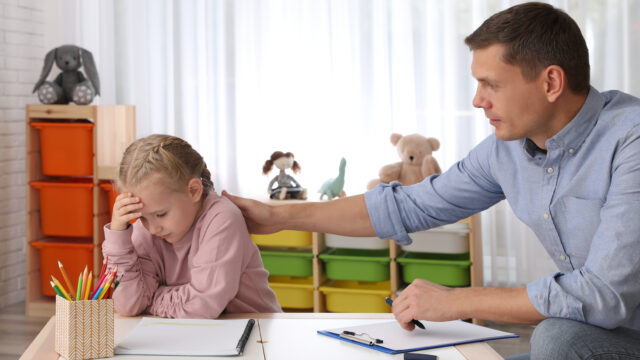
Children do not have to be hit to be harmed by domestic violence. They may be in the room when it happens, hear it from another room, see the damage afterwards, get hurt trying to step in, or be used as a pawn between adults. This domestic violence awareness training for early years staff explains what domestic violence is, the forms it takes, and how living with it affects a young child’s development, behaviour and relationships.
The course is an interactive module with printable tools for your setting: a quick-reference card on recognising and responding to domestic abuse, an observation log for recording what you see in a child, and a safe contact and collection plan to complete with a parent who has disclosed abuse.
Why domestic violence awareness matters in the early years
The course draws on research showing a clear link between domestic violence and child maltreatment. It also affects parenting: a parent living with abuse can become emotionally unavailable, care can become inconsistent and unpredictable, and exhaustion and low self-esteem can overwhelm their ability to parent well. For babies and toddlers, a violent home can disrupt attachment and early brain development.
Some definitions in the module are older, and the law has moved on. The course links to the statutory guidance for the Domestic Abuse Act 2021, which sets out the current legal definition and recognises children who see, hear or experience the effects of domestic abuse as victims in their own right.
What’s in the course
- Defining domestic violenceWhere the definition comes from, and how abuse affects whole families, including men, boys and same-sex couples.
- The forms it takesThreats, physical violence, forced sex, emotional cruelty and control, and using children to frighten or force compliance.
- Related harmsForced marriage, female genital mutilation, so-called honour-based violence and abuse of older relatives within the family.
- Parenting capacityHow abuse affects warmth, consistency and a parent’s ability to cope, and why separation does not always protect children.
- How children experience itDirect and indirect exposure, from being in the room to seeing bruises, broken objects or a distressed parent afterwards.
- Effects on developmentBrain development, attachment, and the physical, social, emotional, behavioural and cognitive effects on children.
- Long-term impactHow the effects can last into adulthood, and the attitudes to violence children can learn at home.
- Assessment10 questions. Pass mark 80%. Resit as many times as you need.
What you’ll learn
- The forms domestic violence can take, including threats, physical and sexual violence, and emotional cruelty such as isolating someone from family and friends, withholding family income or preventing them from leaving home
- The ways children are drawn in: being in the room, hearing it from elsewhere, seeing injuries or damage, being hurt while trying to intervene or being used as a pawn, particularly after separation
- Why domestic violence during pregnancy is a serious risk to the unborn baby, including premature birth and low birth weight
- How a violent home can affect early brain development, leaving a child hypervigilant and in a persistent stress-response state
- Why healthy attachment depends on a child’s needs being met consistently by a sensitive caregiver, and how violence disrupts this
- Signs you may see in a child, such as sleep disturbances, bed wetting and nightmares, aggression or withdrawal, poor relationships with other children and low self-esteem
- What to say to a parent who discloses abuse, and the response route, set out on the course’s quick-reference card
Who this course is for
- All early years practitioners, as part of their safeguarding knowledge
- Key persons who know children and families well
- Designated safeguarding leads and managers who handle concerns and collection arrangements
- Office and front-door staff who deal with who is allowed to collect each child
How it works
- OnlineStudy on any device and pick up where you left off.
- Interactive moduleSlides you work through at your own pace, with printable tools to use in your setting.
- 10-question assessmentPass mark 80%. Resit as many times as you need.
- CertificateIssued when you pass. NFAQ accredited.
Training your team
A child living with domestic violence may show signs to any adult in the setting, so it helps when everyone knows what to look for and who to tell. Choose the number of learners at checkout, with group rates from 3 learners, or get it as part of the Training Portal for £5 per learner per month. It pairs well with Safeguarding for Childcare Practitioners (Level 2) and The Toxic Trio.
Frequently asked questions
Are children who witness domestic abuse victims too?
Yes. The statutory guidance for the Domestic Abuse Act 2021, linked in the course, recognises children who see, hear or experience the effects of domestic abuse as victims in their own right.
What signs might we see in a young child?
The course describes signs such as sleep disturbances, bed wetting and nightmares, aggression or withdrawal, fear and anxiety, poor relationships with other children, low self-esteem and developmental delay. The observation log helps you record what you see with dates, so a pattern can be evidenced rather than remembered.
What should I do if a parent tells me they are being abused?
The quick-reference card covers what to say to a parent who discloses, safety considerations and the response route to follow. The course also links to the free 24-hour National Domestic Abuse Helpline, run by Refuge, which you can give to the parent.
Does the course cover who can collect a child?
Yes. The safe contact and collection plan covers safe ways to contact the parent, who may and may not collect, court orders on file, and what staff do if someone else arrives at the door.
Does domestic violence only affect women?
Violence by men against women is the most talked about, but women can also be violent towards men, and abuse happens in same-sex relationships. The course notes that men and same-sex couples can find it harder to speak up because of stigma.
What happens if I don’t pass the assessment?
You can resit it as many times as you need until you pass. Your certificate is issued as soon as you reach the 80% pass mark.