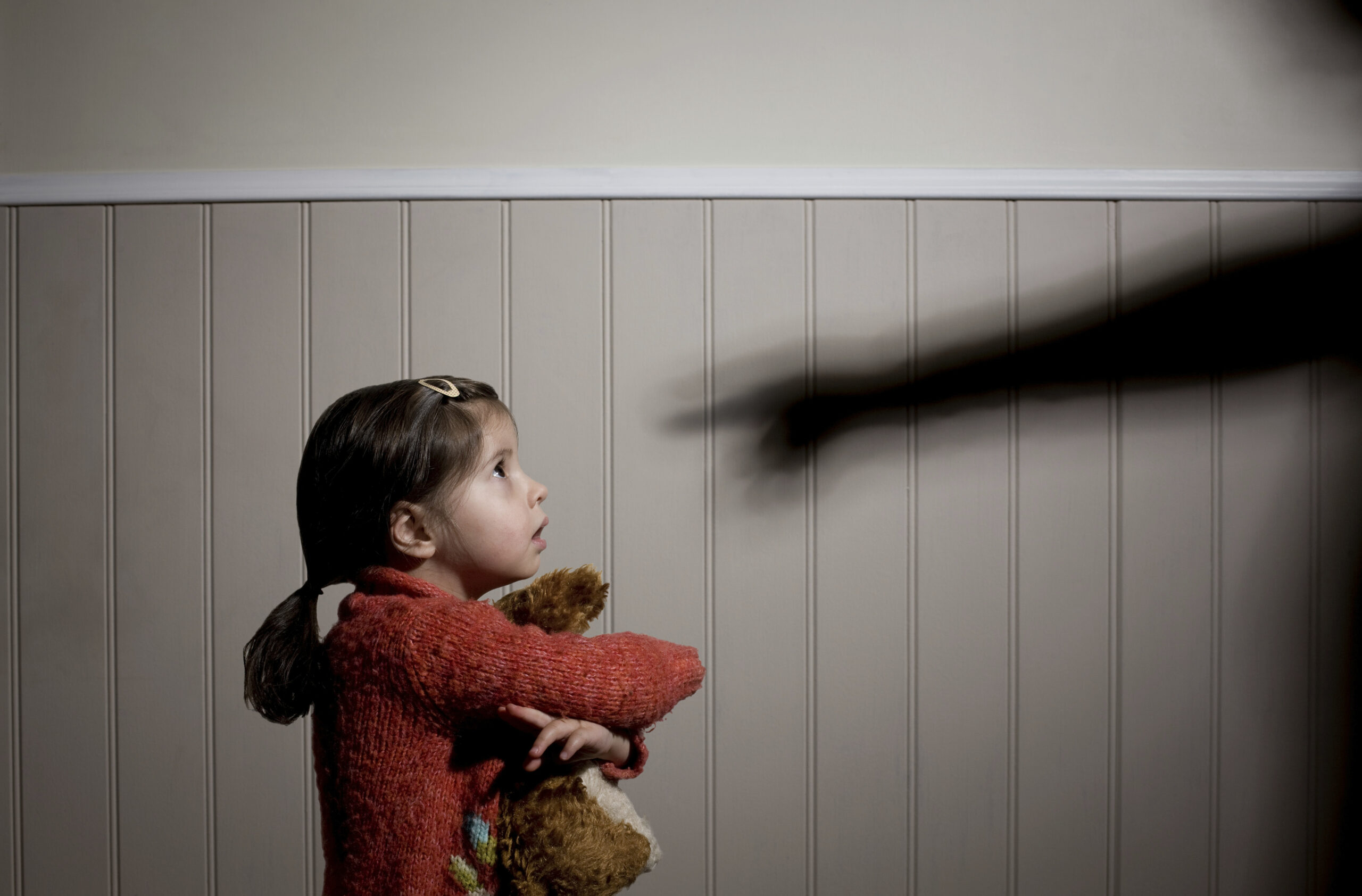
Safeguarding belongs to every adult who walks through the nursery door, from the manager to the apprentice and the cook. The person most likely to spot a worry is the one who spends the most time with the child, and that is often you. This Level 2 safeguarding training for nursery staff shows you how to recognise the signs of abuse and neglect, respond well when a child tells you something, and record and report concerns properly.
You do not need to be certain a child is being harmed before you act. Your job is to notice and pass it on. This course makes sure you know exactly how.
Why safeguarding training matters
Young children cannot always tell us when something is wrong. They rely on the adults around them to notice changes, take worries seriously and act on them. Serious case reviews repeatedly find that someone was worried and stayed quiet. Practitioners who know the signs, and who have rehearsed what to say and do, are far steadier when a real child is in front of them.
The EYFS safeguarding and welfare requirements are statutory for every registered early years provider, and Ofsted inspects against them. They were strengthened from September 2025: the Designated Safeguarding Lead role is now set out in the framework, whole-staff safeguarding training must be refreshed at least every two years, safer recruitment expectations are tighter, and settings must follow up when a child is absent without explanation.
What’s in the course
- Safeguarding in the Early Years: Your Role and the LawWhy safeguarding is everyone’s job, the legal framework, and the September 2025 EYFS changes.
- The Four Categories of Abuse and Their SignsPhysical, emotional and sexual abuse and neglect, and the signs each leaves in young children.
- Neglect and the Wider PictureThe four forms of neglect, why poverty is not neglect, and the trio of vulnerabilities.
- Responding to Disclosures and ConcernsWhat to say, what never to say, and what to do straight after a child tells you something.
- Recording, Reporting and EscalatingRecords that stand up, reporting to your DSL, professional challenge and whistleblowing.
- Safer Working Practice: Protecting Children and YourselfVisibility, intimate care, devices and online boundaries, low-level concerns and allegations.
- Assessment10 questions. Pass mark 80%. Resit as many times as you need.
What you’ll learn
- Your duties day to day: know your DSL and deputy, follow the child protection policy, and report any concern to the DSL promptly
- The four categories of abuse, including frozen watchfulness, regression and sexualised behaviour beyond a child’s age and stage
- Why any bruise on a baby who is not yet mobile is always a concern and goes to the DSL the same day
- The physical, emotional, medical and supervisory forms of neglect, and how to tell hardship from neglect
- How to respond to a disclosure: stay calm, use “Tell me”, “Explain” and “Describe” prompts, and never promise to keep a secret
- How to write records that are factual, verbatim, dated, timed, signed and free of opinion
- When to use professional challenge, and the internal and external whistleblowing routes, including Ofsted and the NSPCC advice line
- How low-level concerns about adults are shared, and how allegations go to your manager and the LADO
Who this course is for
- Practitioners in every room, since the person who knows a child best is usually first to notice a change
- Apprentices and new starters who need a clear grounding in safeguarding
- Room leaders who support colleagues to record and report concerns
- Cooks, administrators and other staff who work around children
- Anyone due to refresh their safeguarding training
How it works
- OnlineStudy on any device and pick up where you left off.
- 6 short lessonsAbout 45 minutes in total.
- 10-question assessmentPass mark 80%. Resit as many times as you need.
- CertificateIssued when you pass. NFAQ accredited.
Training your team
Safeguarding only works when every adult knows the same route from noticing to reporting, so train the whole team together. Choose the number of learners at checkout, with group rates from 3 learners, or get it as part of the Training Portal for £5 per learner per month. For your DSL and managers, see Designated Safeguarding Lead (Level 3) and EYFS Safeguarding Changes 2025–26: What Every Setting Must Do.
Frequently asked questions
Who needs safeguarding training in a nursery?
Everyone who works in a setting that cares for young children, whether they are a room leader, an apprentice, a cook or a manager. Safeguarding cannot be left to one person.
How often should safeguarding training be refreshed?
Since the September 2025 EYFS changes, whole-staff safeguarding training must be refreshed at least every two years. Your setting’s policy may ask for more.
Do I need to be sure a child is being harmed before I report?
No. You do not need a disclosure, certainty or proof. If you are worried about a child’s welfare, report it to your DSL. Deciding what happens next is their role, not yours.
What if the DSL and deputy are not available?
Follow your setting’s procedure for contacting children’s social care directly. A concern must never wait for the right person to be back on shift. If a child is in immediate danger, call 999.
What happens if I don’t pass the assessment?
You can resit it as many times as you need until you pass. Your certificate is issued as soon as you reach the 80% pass mark.
Will this help at Ofsted?
Ofsted does not approve training providers. Your certificate is evidence that you completed the training and goes on your staff training record, and the course helps you explain your role and your setting’s procedures with confidence.