
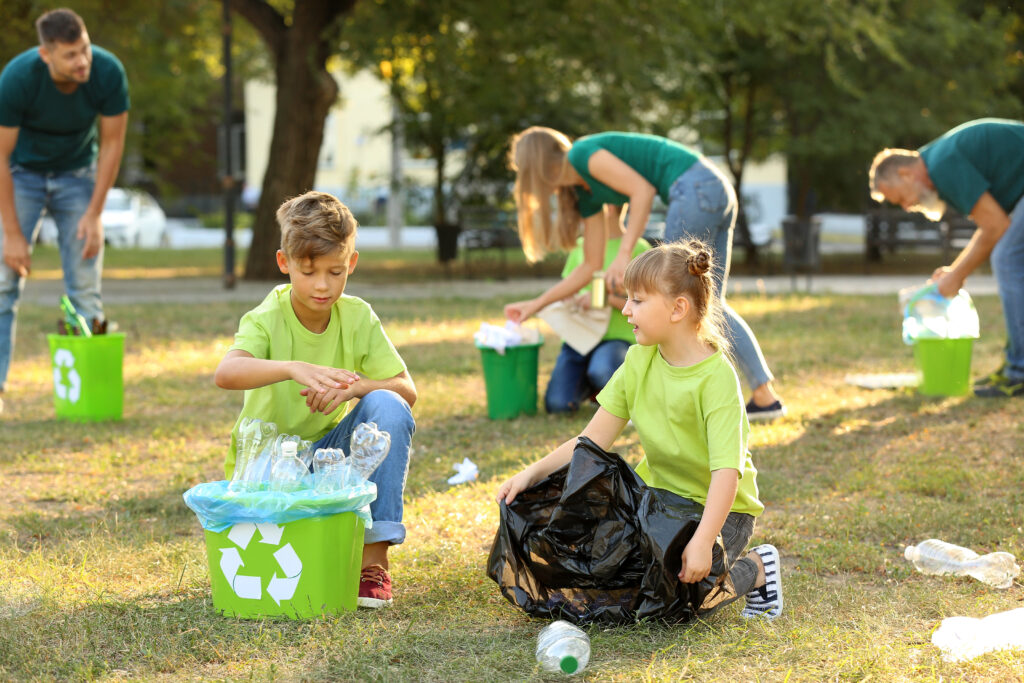
July in a nursery garden is peak abundance. The sunflowers are taller than the toddlers, the water tray is on constant refill, and somebody’s courgette experiment has gone quietly feral behind the shed. If there was ever a season to look properly at sustainability in your setting, it’s this one, while children can watch things grow, flower, fruit and rot in real time.
Young children are natural environmentalists. They’ll crouch over a woodlouse for ten minutes, they take puddles seriously, and they notice everything. Sustainability in the early years isn’t an extra topic to squeeze in beside everything else. Done well, it’s simply a way of running the setting, and it usually saves money into the bargain.
Start with what you throw away
Stand by your bins at the end of a session and have an honest look. Uneaten toast, laminating pouches, dried-up glue sticks, single-use catering packaging. Most settings find their waste falls into a few predictable piles, and each pile suggests its own fix.
Food waste shrinks when portions start smaller and seconds are easy to ask for. Craft waste shrinks when junk modelling, fabric scraps and re-used paper become the default rather than the exception. Plastic shrinks when you stop buying what parents and scrap stores will happily give you for nothing. And children make superb waste inspectors, incidentally. Give a four-year-old the job of spotting what could be used again and they’ll hold the whole room to account without mercy.
Eco-citizens, not eco-worriers
A word of caution here, because it matters. Sustainability with under-fives should never carry a hint of eco-anxiety. This age group doesn’t need melting ice caps and doom. What they need is the chance to explore, love and care for the natural world directly in front of them: the worms in the compost, the bee on the lavender, the tomato that went from flower to fruit to snack plate. Care grows out of fascination. The heavier stuff can come much later, and from someone else.
That framing takes the pressure off practitioners too. You’re not delivering climate education to three-year-olds. You’re growing beans in a bucket and letting children own the watering rota, which is exactly the sort of project our Sustainability in the Early Years Setting course helps you plan and embed.
Easy wins around the building
Summer makes some savings almost embarrassingly simple. Washing dries on a line instead of in a tumble dryer. Lights stay off in rooms flooded with daylight. A water butt fills the watering cans and half the water play besides. None of this needs a policy meeting. It needs one person to decide it’s how the setting does things now, and to say so out loud.
Energy and water habits formed in July carry into the darker months too, which is where the budget benefit really shows itself. Nurseries run on tight margins, and the greener choice is very often the cheaper one.
Making it stick
The difference between a nice green summer project and genuine sustainability is what happens when the enthusiastic member of staff who started it goes on annual leave. Embedding means writing your approach into policy, telling parents what you’re doing and why, and letting it show in your curriculum story so it stands up when an inspector asks about it.
Give children ownership wherever you can. A compost system they feed after snack, a growing patch they planted themselves, a re-use trolley they manage. Ownership is what turns a topic into a habit, and habits are what children carry home.
Make your setting greener, calmer and cheaper to run
Sustainability in the Early Years Setting covers cutting waste, energy and water wins, growing and composting projects children can own, and embedding it all in policy, with an NFAQ-accredited certificate on completion.
Start with the bins, the beans or the washing line. Anywhere is fine. The trick is starting while the sun is out and the garden is doing half the teaching for you.