
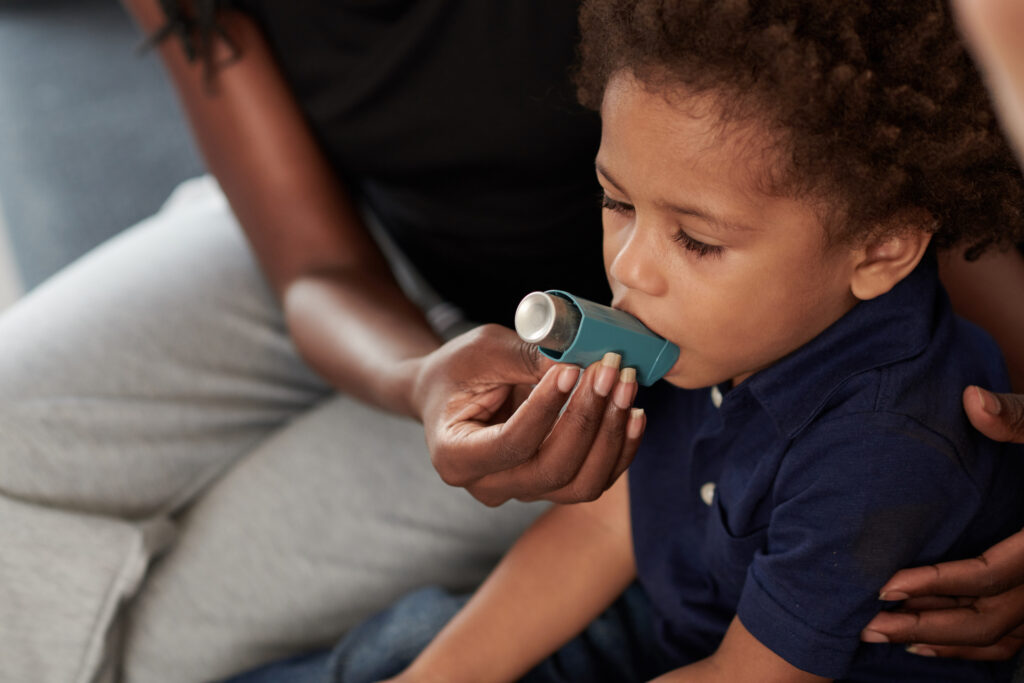
By late November the medicines shelf tells you what season it is. Two bottles of amoxicillin with different children’s names on them, an inhaler and spacer in a labelled sandwich bag, teething granules, somebody’s eczema cream and a tube of Bonjela. Every one of them is a small act of trust from a parent, and a small legal responsibility for the setting.
The EYFS is clear on this. Where a setting agrees to give medicines, staff must be trained and competent, and there must be clear policies and records behind them. That framework sits quietly in the policy folder all summer. Winter, with its rolling coughs, ear infections and chest complaints, is when it gets tested daily.
Consent is where most wobbles start
The rule is simple and absolute: written parental consent, obtained and recorded, before anything is given. “Just give her the pink one at lunch,” shouted from the door at drop-off, is not consent, however busy the morning. The form should capture the medicine, the dose, the timing and a signature, and it should be checked against the actual bottle in front of you, not against memory.
Most settings have the form. Fewer have the discipline of never, ever bending the rule on a hectic Monday morning. That discipline is precisely what the next three months are about to test.
Winter adds a twist of its own here. The child who started antibiotics on Saturday arrives on Monday mid-course, the dose has already been given at home that morning, and dad is halfway back to the car before anyone has asked when the next one is due. A good consent conversation pins down the timing as well as the medicine, so the setting isn’t reconstructing a dosing schedule from a phone call at eleven o’clock.
Six rights, every single time
Safe administration comes down to a short sequence worth pinning inside the medicine cupboard door: the six rights of safe administration.
- The right child
- The right medicine
- The right dose
- The right route
- The right time
- The right record afterwards
It feels laborious right up until the day it catches something: two Olivers in the toddler room, two near-identical bottles of banana-flavoured antibiotic, one shelf. Checklists exist for that day, and the staff who follow them on the quiet days are the ones who are protected on the loud ones.
Emergency medicines are a discipline of their own
An inhaler or an adrenaline auto-injector doesn’t wait while somebody finds the folder. Emergency medicines need storing so they’re immediately reachable rather than locked away with everything else, kept in date, clearly matched to their child, and understood by every adult in the room, not just the key person who happened to be in on the training day.
Storage and disposal matter for the everyday medicines too: fridge items actually kept in the fridge, everything out of children’s reach and sight, and leftovers going home with parents rather than lingering at the back of the shelf until spring cleaning finds them.
Records close the loop. If it isn’t written down, it didn’t happen, and a regular audit of the medicines file is the cheapest early-warning system a manager can run. Our Administration of Medicines in Early Years course walks through all of it: the EYFS requirements and your setting’s own medicines policy, obtaining and recording consent, safe storage and disposal, the six rights, accurate record-keeping and auditing, and managing emergency medicines such as inhalers and auto-injectors.
Make every dose this winter a confident one
Administration of Medicines in Early Years covers consent, storage, the six rights, records and emergency medication, with an NFAQ-accredited certificate for every learner.
The coughs and ear infections will keep arriving until spring; that part isn’t in anyone’s control. A calm, trained, consistent medicines routine is. Get it settled now, while the shelf is merely busy rather than heaving, and the rest of the winter looks after itself.