Every nursery has days when half the room is under the weather. Runny noses, a temperature here, a clingy afternoon there. Spring doesn’t spare anyone. The overwhelming majority of those children have minor illnesses and will be back to charging around the garden in a day or two.
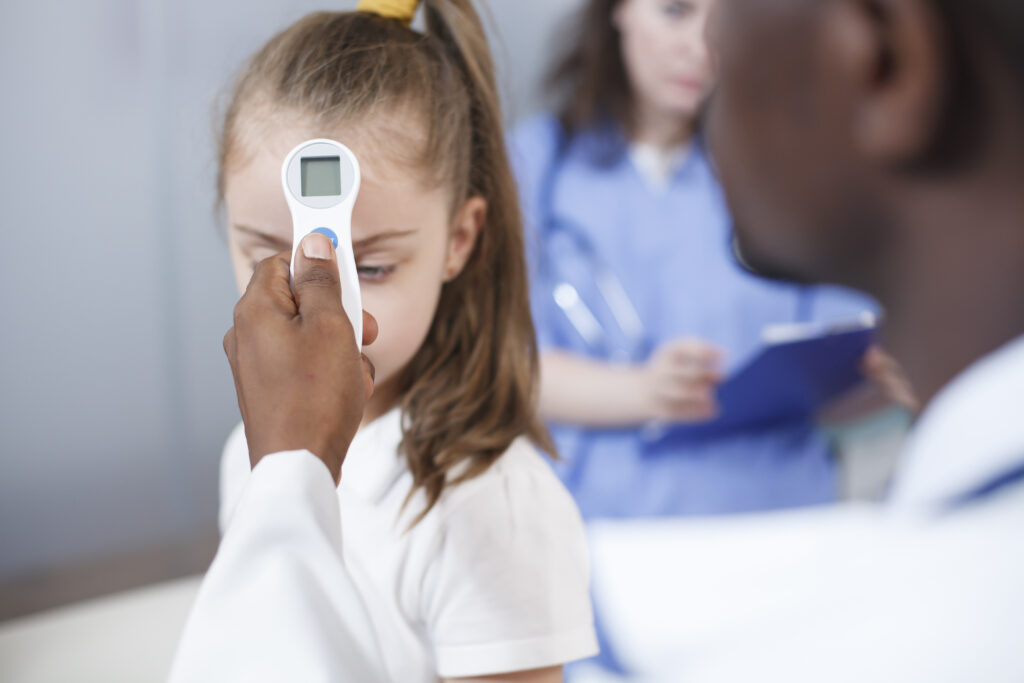
But a small number of unwell children are seriously ill. And here’s the uncomfortable, motivating truth: the adults best placed to notice early are not doctors. They’re the practitioners who see that child every day and know precisely what their normal looks like.
The change is the signal
Think about a three-year-old who is normally the loudest voice at group time. Today she’s sitting in the book corner, pale, not interested in anything, and hasn’t asked for a snack. Her temperature isn’t dramatic. Nothing on a checklist screams emergency. But you know this child, and this is not her.
That instinct, “this child is not themselves”, is one of the most valuable early warning systems there is, and it only works if practitioners trust it and know what to do next. Training turns a vague worry into a structured response: what to check, what to watch for, who to call and how quickly.
The red flags you must never miss
Sepsis and meningitis sit at the top of the list, because they move fast and their early signs can look like any other childhood illness. A child who is unusually floppy or hard to rouse, mottled or ashen skin, a rash that doesn’t fade under a glass, breathing that looks like hard work, a high-pitched or weak cry in a baby. None of these waits politely until a parent arrives to collect.
Alongside those sit the quieter emergencies. Breathing difficulty that shows in the tug of skin between the ribs. Dehydration in a baby who has had far fewer wet nappies than usual. A high temperature in a very young infant, which carries a different weight than the same reading in a four-year-old. Age changes the picture, and practitioners need to know how.
Our Recognising the Seriously Ill Child course walks through each of these red flags and, just as usefully, the decision that follows: when you ring 999 without hesitation, when NHS 111 is the right call, and when the correct response is a phone call to parents and careful monitoring until they arrive. Practitioners often tell us the escalation piece is what they feel least sure about. Nobody wants to be the person who called an ambulance for a cold, so the doubt creeps in exactly when it shouldn’t. Clear thresholds take that hesitation away.
What this course is, and what it isn’t
One thing worth being clear about: this training complements paediatric first aid, it doesn’t replace it. First aid teaches you what to do with your hands once something has happened. This is about the noticing that comes before, the watching, the judgement, and the confidence to act on what you see.
It also covers the afterwards, which settings often overlook. Recording what you observed and when, reporting properly, and supporting everyone involved, because a genuinely frightening afternoon leaves its mark on staff and other children too.
And it suits the whole staff room rather than a designated few. Serious illness doesn’t wait for the manager to be on shift. The apprentice wiping noses at four on a Friday afternoon is every bit as likely to be the person who notices the child who is not herself.
Spot the seriously ill child before the situation spots you
Learn the red flags for sepsis, meningitis, breathing difficulty and dehydration, plus clear escalation rules, with an NFAQ-accredited certificate on completion.
Most days, the pale child in the book corner just needs a cuddle and an early pick-up. But on the rare day it’s something more, the practitioner who knew her normal, spotted the change and escalated without delay is the reason the story ends well. That practitioner could be anyone on your team. Make sure it is.