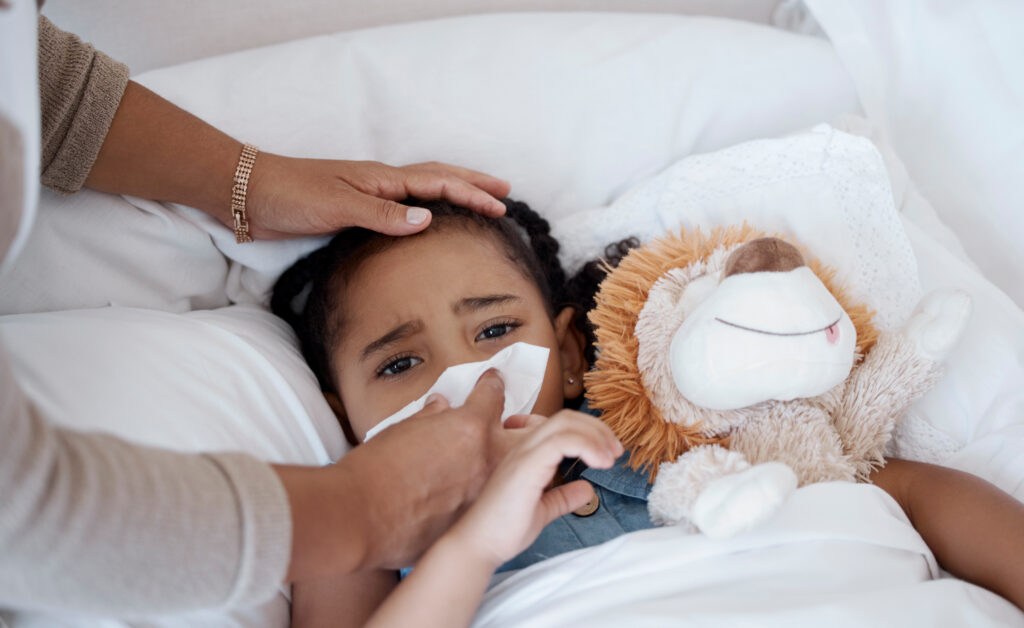
The phone starts before eight. Two absence calls for the baby room, one for preschool, and a message from a member of staff who’s been up all night with the same tummy bug. By Friday of a bad January week, half the register can look like this, and the other half is wiping its nose on its sleeve.
Young children are especially open to infection. They put everything in their mouths, they haven’t met most germs yet, and they share everything enthusiastically, including norovirus. Settings also have a duty under the EYFS to keep children safe and healthy, so this isn’t just a comfort issue. The good news is that infection control isn’t mysterious. It’s a chain, and you only have to break one link.
Hands do most of the damage, and most of the good
Every infection needs a route from one person to the next, and in a nursery that route is usually hands. Which means the single most powerful thing in your setting isn’t a fogging machine or an expensive spray; it’s soap, warm water and a good routine. After nappy changes, after wiping noses, before preparing or serving food, after outdoor play, and properly: backs of hands, between fingers, and dried well, because damp hands pick germs straight back up.
Children’s hands count just as much as adults’. Building handwashing into the daily rhythm, with songs, steps at the sink and a bit of theatre, does more for your absence figures than almost anything else. A two-year-old who washes her hands well because it’s just what we do before snack is infection control working exactly as it should.
Cleaning, spillages and the glamorous side of the job
Cleaning and disinfecting are different jobs: one lifts the dirt, the other kills what’s left, and the second doesn’t work properly without the first. The surfaces that matter most are the ones touched most: door handles, taps, table tops, the shared toys that migrate from mouth to mouth. Bodily fluid spillages deserve their own respect, with gloves and an apron on before you start, the right product for the job, and everything disposed of safely afterwards. PPE isn’t a pandemic leftover; for nappies and spillages it’s just Tuesday.
Then there’s the conversation nobody enjoys: exclusion. The standard advice for sickness and diarrhoea is to stay away until 48 hours after the last episode, and holding that line with an apologetic parent who needs to get to work is genuinely hard. It’s also the thing that stops one poorly child becoming eleven. Kind, clear and consistent is the way, and it’s much easier when the policy is written down and every parent got it at induction rather than at the door.
If your policies could use a January refresh, our course Infection Prevention and Control in Early Years covers the chain of infection and how to break it, hand and personal hygiene, cleaning and safe spillage management, PPE, managing outbreaks, and the UKHSA guidance for education and childcare settings that all of this should line up with.
Outbreaks are managed, not endured
When a bug does take hold, there’s a difference between a setting that’s reacting and one that’s managing. Managing looks like spotting the pattern early (three tummy bugs in one room is a pattern), stepping up cleaning, communicating honestly with parents, keeping a simple record of who’s off with what, and knowing when to ask your local health protection team for advice. Staff sickness belongs in the same picture: a practitioner soldiering in with norovirus is not being heroic, whatever it feels like at rota time.
Fewer bugs, fewer absences, calmer winters
Infection Prevention and Control in Early Years gives your whole team the essentials, with an NFAQ-accredited certificate as evidence for compliance and Ofsted.
You can’t stop winter. You can make your setting a much harder place for a bug to get around, and late January is exactly the moment to do it.