
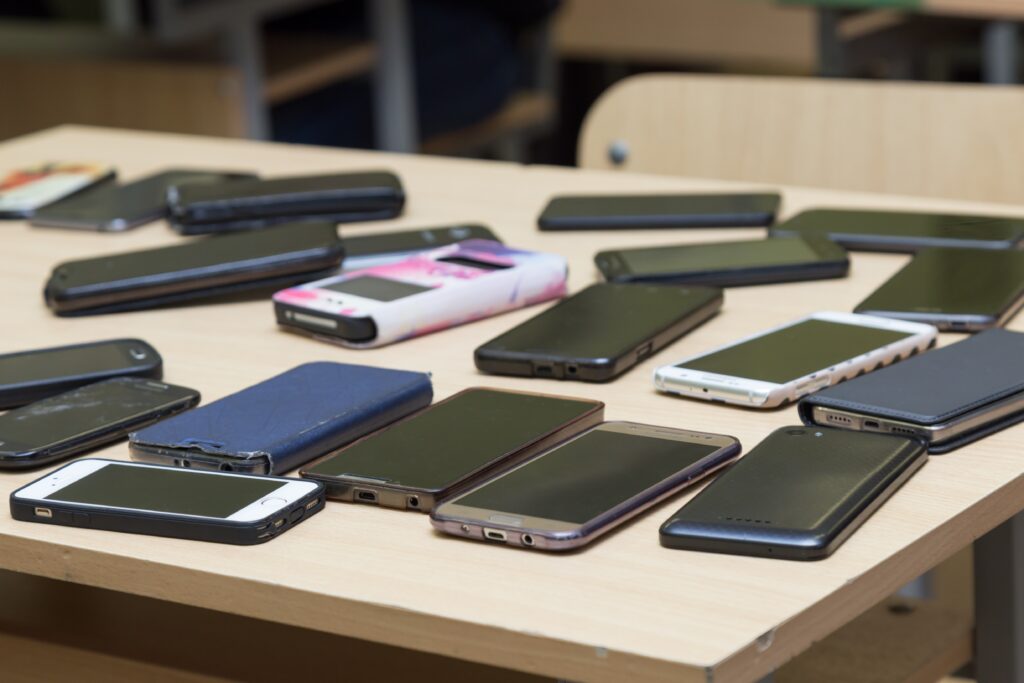
The policy is the easy part. It’s in the staff handbook, somewhere after the sickness procedure: no personal phones in rooms. The practice is a Tuesday morning in May, a supply practitioner arriving with a smart watch that takes photos, a plumber in the corridor with his phone out, and a parent at the door asking why she can’t film the singing. Policies don’t manage those moments. Habits do.
A safeguarding issue wearing an IT costume
It’s tempting to file device rules under “computer stuff”, next to the wifi password. The EYFS files them under safeguarding, and it’s right to. A camera in a pocket is the single easiest way for images of children to leave your building without anyone ever deciding they should. That’s why personal phones, cameras and smart devices are now among the most closely inspected safeguarding risks in early years, and why inspectors expect a clear device policy that every adult follows, not just the permanent staff who wrote it.
The policy needs to cover the full territory: personal devices and where they live during the working day, setting-owned devices and how they’re secured, photography and consent, and what happens with visitors. If any of those is missing, the gap is where trouble gets in.
The wrist is the new pocket
Most settings cracked the phones-in-lockers habit years ago. Wearables are where policies show their age. A smart watch that receives messages and takes pictures is a phone, whatever it’s strapped to, and a policy written in 2019 probably never mentions it. The same goes for anything else that connects, records or notifies. The test isn’t what the object is called; it’s what it can do.
Handled plainly, this doesn’t need to be dramatic. Storage arrangements for personal devices, sensible rules for breaks, and a clear route for genuine exceptions, like a staff member awaiting an urgent family call, who can be reachable through the office phone rather than a pocket buzz. Exceptions managed in the open protect everyone; exceptions managed quietly are how drift starts.
Setting-owned devices deserve equal attention, because photography is part of modern practice. Observation apps are wonderful right up until they’re on somebody’s personal phone. Setting devices only, stored securely, with consent records that genuinely match what’s captured and shared, and data protection applied to images just as firmly as to paperwork.
New starters and supply staff are the pressure test. A permanent team absorbs the rules over months; the person who arrived at 8am today has to hear them in the first five minutes, alongside the fire exits. If your induction doesn’t mention devices before the coats are hung up, that’s the first fix.
Visitors, parents and the awkward conversation
The plumber doesn’t know your policy. Neither does the authority advisor, the students on placement or the grandparent collecting on a Friday. Visitor arrangements, a polite sign, a sentence at sign-in, somewhere for phones to live, do the work your induction can’t. And the arrangements have to hold for the visitor nobody expected, on the day the manager is out.
Parents are the tender spot. Nobody enjoys telling an excited mum she can’t film the leavers’ song, and applying the policy to parents takes more nerve than applying it to staff, because other people’s children are in every frame. A kind, scripted sentence helps, along with an offer: the setting’s own photos, taken on setting devices, shared through proper channels.
Our course Mobile Phones, Cameras and Smart Devices in the Setting is designed to close the gap between the written policy and the busy Tuesday, covering everything above and how to apply it with confidence day to day.
Turn your device policy into something every adult actually follows.
The course covers personal phones and wearables, observation apps, consent, visitors and secure storage, with an NFAQ-accredited certificate on completion.
A device policy that lives in the handbook protects the handbook. One that lives in habits protects children. The difference between the two is training, repetition and the confidence to have the awkward conversation cheerfully.