
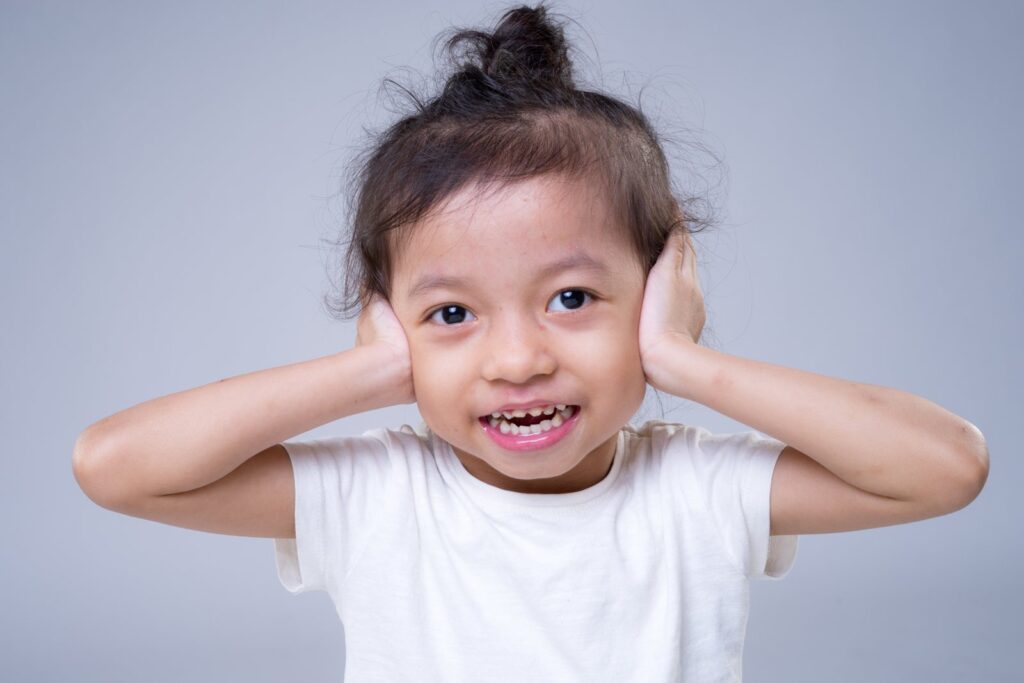
For most children, bonfire night is sparklers, hot dogs and a lot of oohing. For some, it’s the worst week of the year. Fireworks start going off well before 5 November and carry on long after, often late at night, and the children who struggle with sudden loud noise arrive at nursery the next morning tired, jumpy and running on empty.
Why some children find it so hard
Every child processes sound, light and movement differently. A child who is sensitive to sound may hear a firework bang as genuinely painful rather than just loud, and the unpredictability makes it worse. They can’t tell when the next one is coming, so they stay on alert. Add a broken night’s sleep and you have a child whose tolerance for everything else, from the hand dryer to a busy carpet time, is much lower than usual.
This is common in autistic children and in children with sensory processing differences, but it isn’t limited to them. Plenty of two-year-olds with no additional needs find the first week of November unsettling.
What you might see in the room
- Covering ears, or asking for headphones at times they normally wouldn’t.
- More clinginess at drop-off, or reluctance to go outside.
- Meltdowns over small changes that they would usually cope with.
- Seeking out small, enclosed spaces, or crashing and spinning more than usual.
- Tiredness, low appetite or dozing at odd times after a disturbed night.
None of these is bad behaviour. They are signs of a nervous system that has had too much to deal with. Treating them that way changes how adults respond.
Small changes that help
Talk to parents first. A quick question at drop-off about how the child slept, and whether there were fireworks nearby, tells the key person what kind of day to expect.
Lower the background noise. Turn off music that’s just there for atmosphere, close doors between busy rooms, and keep the loudest activities short. A calmer room helps every child, including the most sensitive ones.
Offer a quiet space. A den, a tent or a corner with cushions and soft light gives a child somewhere to go before they reach overload. Our earlier post on the child who covers his ears at singing time has more ideas for building one.
Keep routines steady. Predictable days help children feel safe when nights have been unpredictable. Warn children before transitions and keep the structure of the day as familiar as possible.
Be careful with fireworks activities. Firework crafts and sound clips can be fun for some children and distressing for others. Pictures and colours work for most groups. Recorded bangs are best left out.
Prepare without scaring. For older children, a simple story about what fireworks are, why they are loud and how to keep safe can make the noise feel less threatening.
Understanding the child behind the behaviour
A practitioner who understands sensory processing will notice the early signs and adjust before a child reaches meltdown. Our Sensory Processing and Sensory-Friendly Environments course explains the eight senses, sensory seeking and avoiding, and how to audit your rooms for noise, light and calm spaces. For staff supporting autistic children, Understanding Autism covers the wider picture, including how changes in routine and environment affect them.
Build rooms where every child can settle.
Sensory Processing and Sensory-Friendly Environments covers sensory differences, practical strategies and how to work with families, with an NFAQ-accredited certificate on completion.
Fireworks season doesn’t last long, but it’s hard on some children while it does. A calmer, more predictable nursery day can be a real help to a child who is struggling to sleep through the bangs at night.