
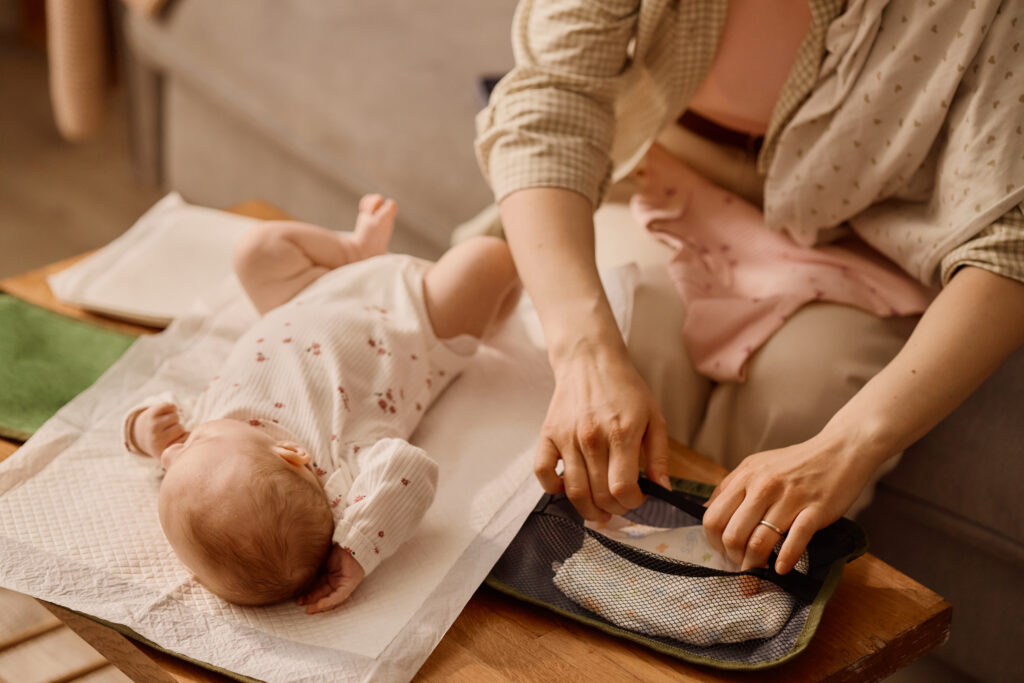
Nappy changing happens so many times a day in a baby room that it can turn invisible. The mat wiped, the gloves on, the same song hummed for the fourteenth time before lunch. And precisely because it’s routine for us, it’s worth stopping to ask whether the routine still serves the child lying on the mat. For that child it isn’t admin. It’s personal care, in the fullest sense of both words.
What changes in September
From this September, the revised EYFS introduces a specific duty to protect children’s privacy during nappy changing and toileting. It’s the first time the framework has spelt this out as a requirement in its own right, and it’s balanced deliberately against safeguarding and lone-working considerations, which is what makes it more interesting than it first looks.
For most settings this won’t mean a refit. It means looking honestly at where changing happens, who can see what, and whether a toddler being changed beside a busy thoroughfare is having their dignity protected in any meaningful way. Early July is a sensible moment to walk your own building with fresh eyes, well before the new wording arrives alongside the September intake. A quick audit asks three questions: where are the mats, what does someone passing the doorway actually see, and what would you change if it were your own child on the mat?
Privacy and safeguarding can pull in different directions
Here’s the tension the new requirement quietly acknowledges. Total privacy would mean a closed door and one adult alone with a child, which is exactly the arrangement good safeguarding practice treats with caution. Total visibility would mean children changed in full view of the room, which fails the child in a different way.
The answer sits in the middle, and it needs working out for your own layout rather than borrowing from someone else’s. Screened areas rather than sealed rooms. Sight lines that shield the child’s body from general view while keeping the adult’s practice open to colleagues. A lone-working policy that everyone can actually describe, not just locate in a folder. This balancing act is one of the areas our Nappy Changing and Intimate Care course works through in practical detail.
The basics still carry the day
None of the new thinking replaces the old disciplines. Gloves and aprons used properly and changed between children. The mat cleaned every time, not just when it looks like it needs it. Hands washed, the child’s included, because a nappy change is also an infection-control moment that repeats itself many times an hour across the setting.
It’s worth remembering what a nappy change can be at its best, too: a few minutes of genuine one-to-one attention in a busy morning. The chat, the rhyme, the running commentary about socks all feed communication and attachment. Children who are talked with during intimate care learn that their body and their voice both matter, which is quietly the point of the whole exercise.
Records and consent deserve the same care. A clear intimate care policy, agreed with parents, should say who changes children, how it’s recorded and how concerns would be raised. Parents hand over the most personal parts of their child’s care on trust, and a policy they’ve actually seen and agreed to is part of honouring that.
Toilet training earns its own mention in July. Plenty of families use the summer to make the move out of nappies before a September room change, and settings that back them up with patience, consistency and shared expectations between home and nursery make the whole thing far less fraught. Supporting children through toilet training is part of intimate care too, and it deserves the same thought as the changing mat.
Get ahead of the new privacy duty before September
Nappy Changing and Intimate Care covers dignity and privacy, the incoming EYFS requirement, hygiene routines, records and consent, and toilet training support, with an NFAQ-accredited certificate as evidence for compliance and Ofsted.
Dignity isn’t a poster on the changing room wall. It’s the fourteenth nappy of the day changed with the same care as the first.